Food trends
Mala beyond the mala shop: how the numbing-spicy flavor is spreading across Korea’s food and restaurant market (feat. mala HMR, mala sauce, mala menu development)
Mala has stepped out of the specialty shop — and into gukbap and pasta
There was a time when you had to go to a specialty shop to eat malatang. Now you come across the scent of mala in convenience-store fridges and in your own freezer at home.
The pairing of tongue-numbing Sichuan peppercorn (huajiao) and hot chili is no longer a niche dish. It is expanding into a regular menu category across the restaurant and food market — gukbap (Korean rice soup), sandwiches, pasta, chicken, even home meal replacements (HMR). If you’re thinking about a new dish, it’s worth tracing where this trend started and how far it has come.
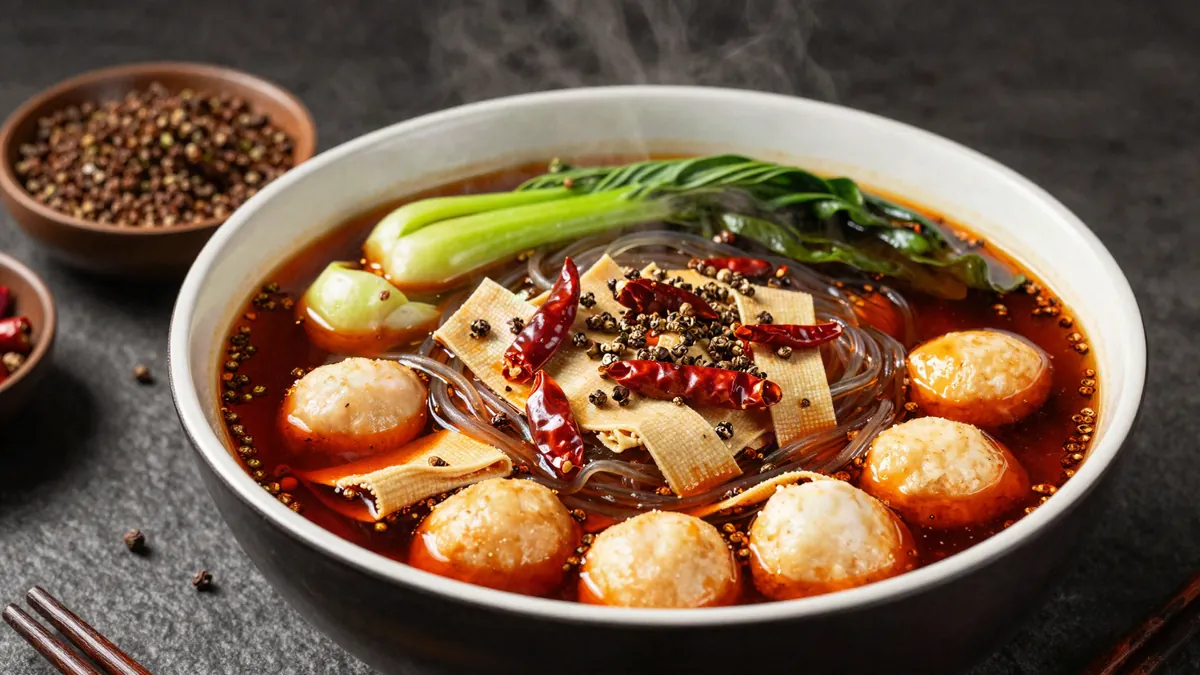
From specialty shops to menus everywhere
Mala’s spread began in specialty shops serving malatang, mala xiang guo and mala crayfish. Curiosity outweighed any hesitation about unfamiliar spices, and people who had tried it started bringing it home and into their everyday meals.
Mala is a flavor that has already had one big boom. What underpins today’s trend is that the excitement didn’t end as a passing fad — it seeped into everyday menus.
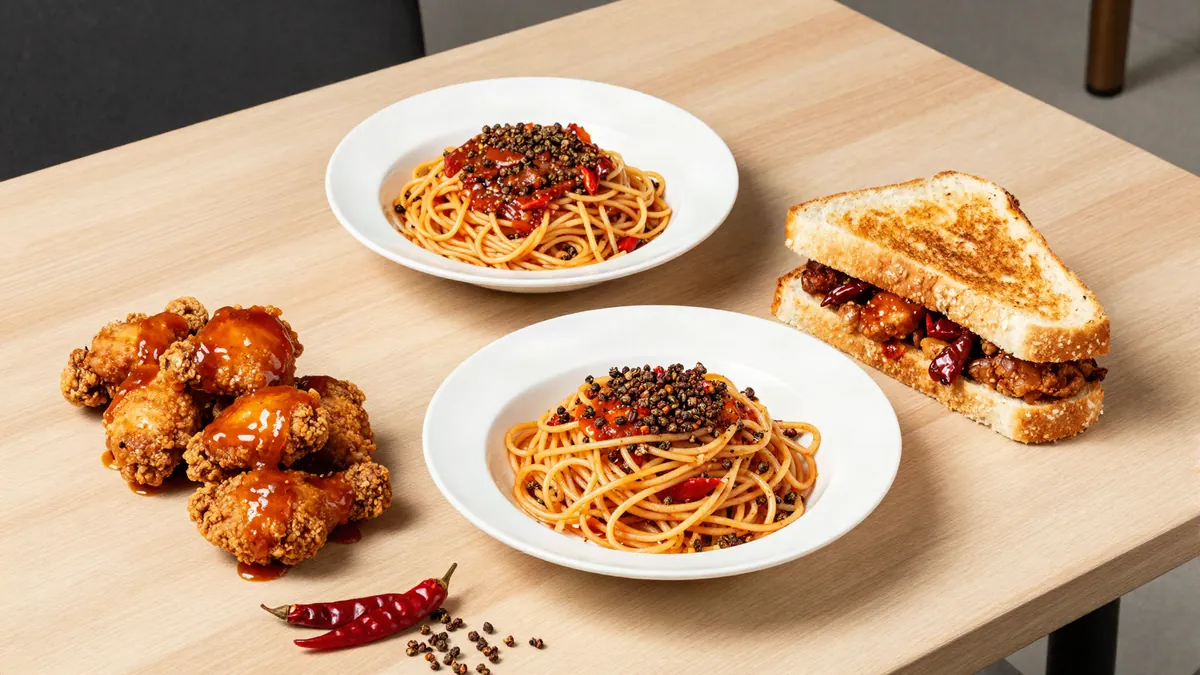
Convenience stores and sauces opened the door
The second route to the mainstream was convenience stores and sauces. For the restaurant experience of mala to move into the home, it had to be easy to buy and easy to make.
Sauces matter because they didn’t lock mala into a single dish. Being usable in both soups and stir-fries with a single spoonful made it easy to extend into unrelated dishes like gukbap and pasta.
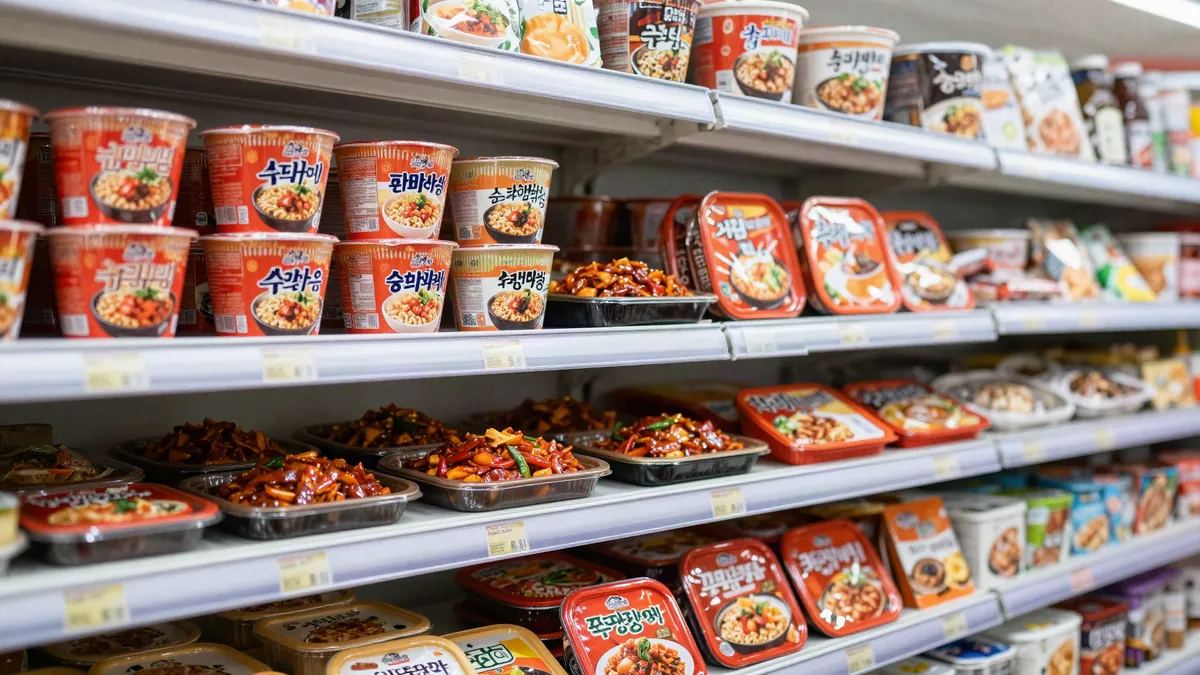
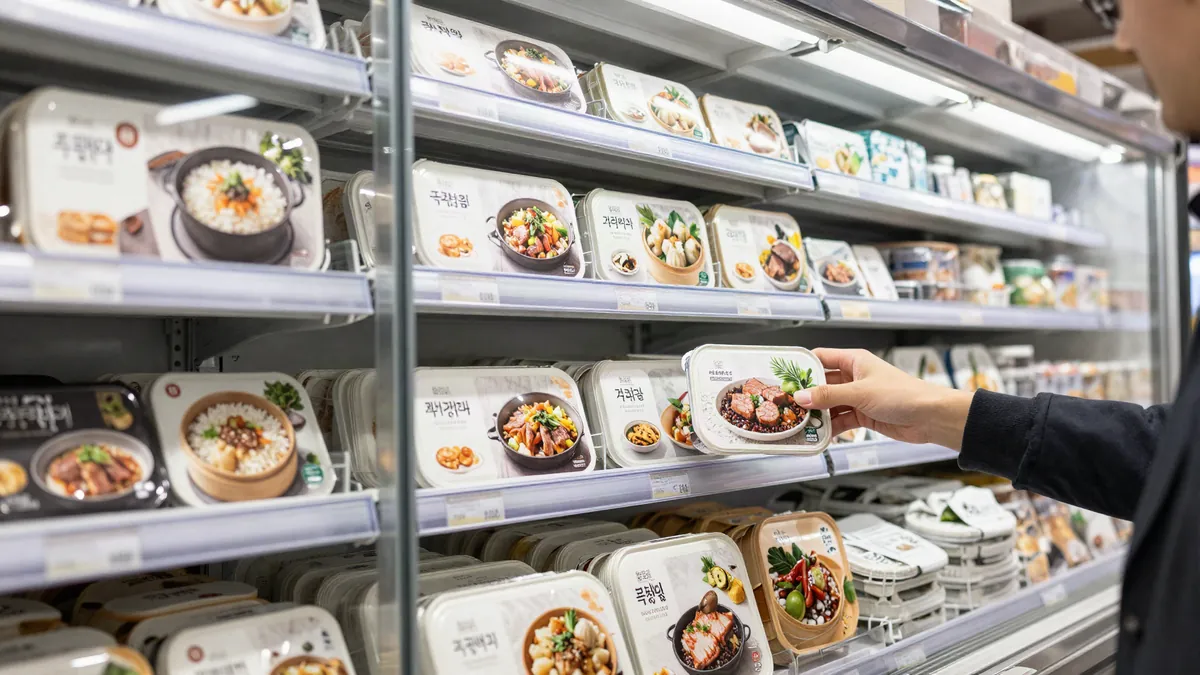
Now continuing as convenience-store PB series
Recent cases show mala moving beyond one-off limited editions to become part of the regular line-up.
The direction here is clear. Mala is being used less as an ingredient for creating new dishes and more as one that changes the flavor of dishes people already know.
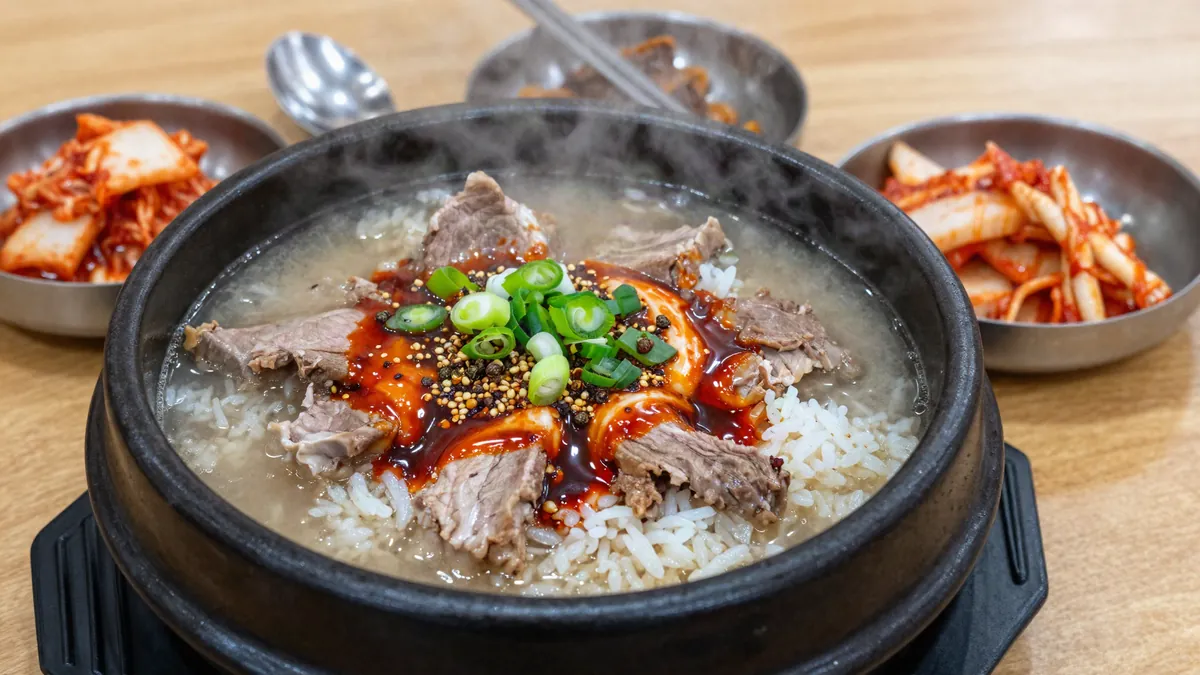
How to design a hybrid new dish
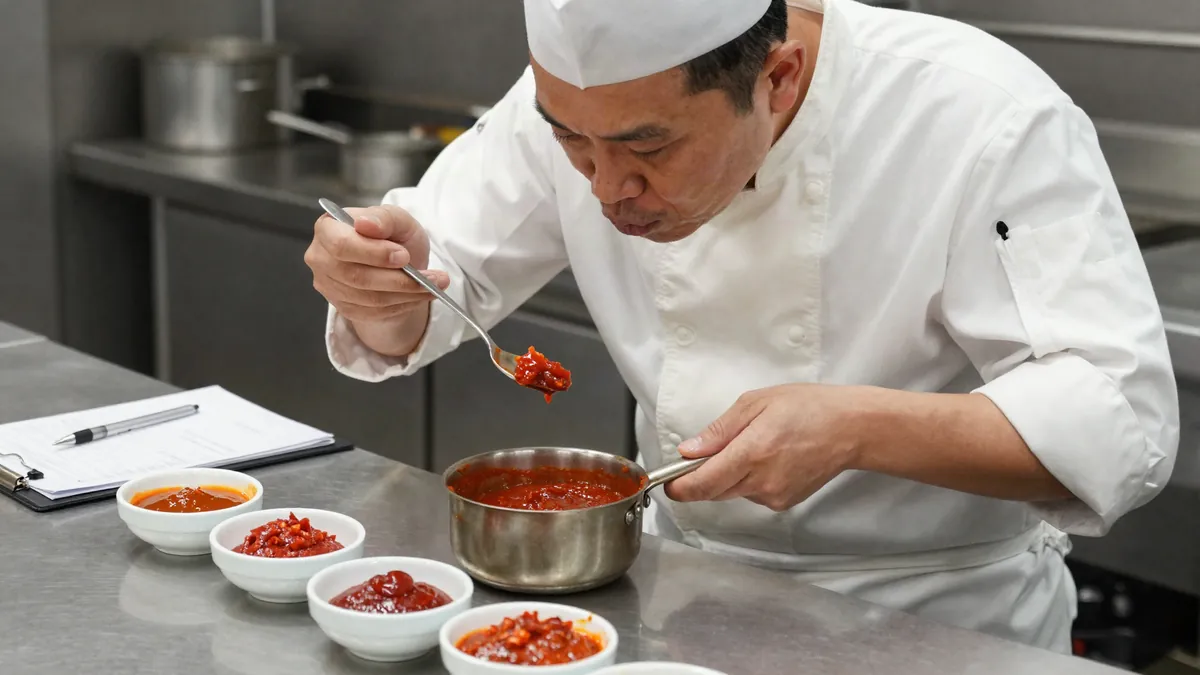
Rather than bringing over the intense flavor as-is, a realistic approach is to graft it onto your target customers’ everyday dishes. Add a layer of mala to a familiar base like gukbap or pasta, and novelty and familiarity work together.
There are three things to check during development: split the numbing intensity into levels so you leave room for different spice tolerances; adjust the concentration so the base dish isn’t buried under the mala; and decide when to add the mala oil and spices so the aroma doesn’t cook off.
If you’re targeting younger consumers, it’s safer to test the response with a limited release before moving it to the regular menu. Curiosity is where spending on fusion flavors starts, which makes them well suited to trial sales.
Wrapping up
Mala has widened from a specialty-shop dish, through chicken and ramyeon, convenience-store meals and sauces, into a regular menu category. The first wave in 2018–2019 and the 2025 convenience-store series point in the same direction. Mala isn’t a new fad but an established flavor — and now the competition comes down to which dishes you pair it with.
If you’re considering a new dish, the first step is to pick one or two of your popular dishes, make a prototype with a spoonful of mala sauce added, and have a few target customers taste it first.
※ Photos in this post are illustrative images created for the article and may differ from actual products or stores.
Sources
- bhc Chicken launches new ‘Malakan Chicken’ (in Korean)
- “Buldak = ₩1 trillion”: where Samyang Foods’ market-by-market overseas strategy is heading (in Korean)
- Mala, the taste of China, takes off even in convenience stores (in Korean)
- “How far will the mala craze go?” CJ CheilJedang launches Beksul Malatang Noodle Sauce (in Korean)
- emart24 teams up with Tanghwa Kungfu for new mala products (in Korean)
More food trends
Even on convenience-food days, you can keep your meals balanced.
Pick the meal, your situation and budget, and we’ll suggest what to eat right now.