Food trends
From sotbap to dim sum, now frozen: why the premium frozen meal market keeps growing (feat. RMR, restaurant meal replacements, upscale home dining)
Home meals are reaching restaurant level — where the premium frozen meal market stands today
As eating out gets more expensive, more and more people are cutting back on lunch plans. Yet making do with the usual frozen dumplings and fried rice every time feels a little lacking.
That gap is being filled by restaurant meal replacements — RMR (Restaurant Meal Replacement). These products let you heat up a well-known restaurant’s dish at home, and lately more refined items such as sotbap (rice cooked in a stone pot), dim sum and Korean temple food have been landing in the frozen aisle too.
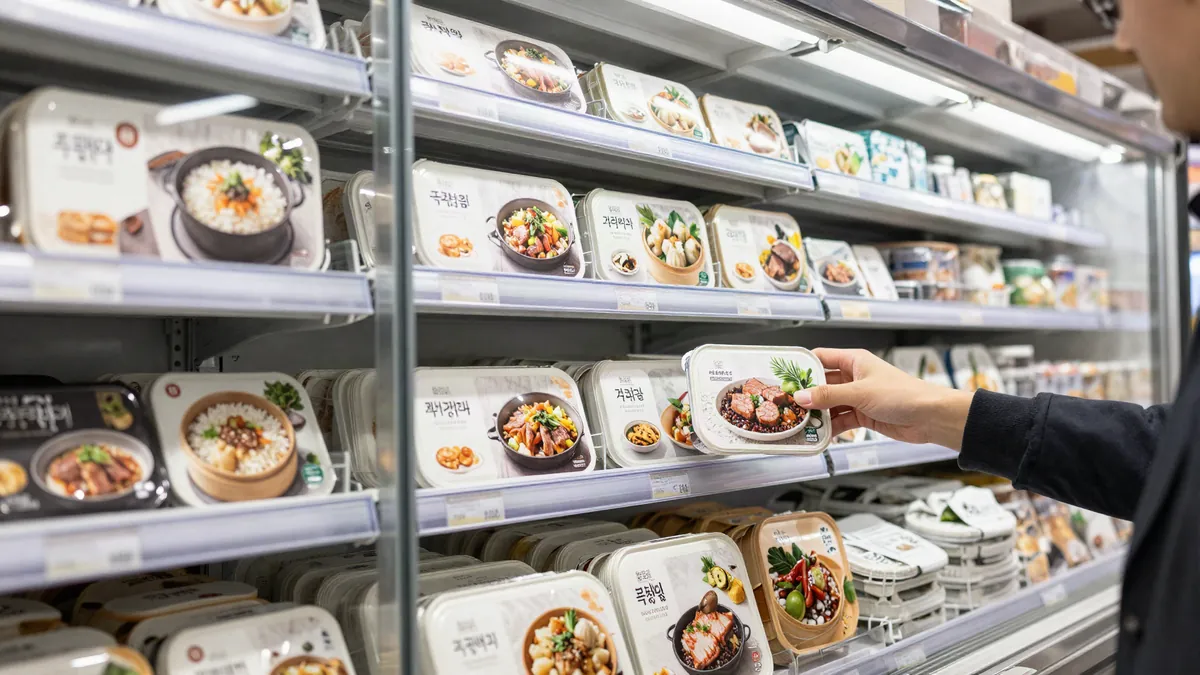
Frozen meals filled the gap left by dining out
As high prices persisted, consumers chose to eat out less often without giving up on the quality of their meals. As a result, RMR has settled in as a value-for-money substitute for eating out.
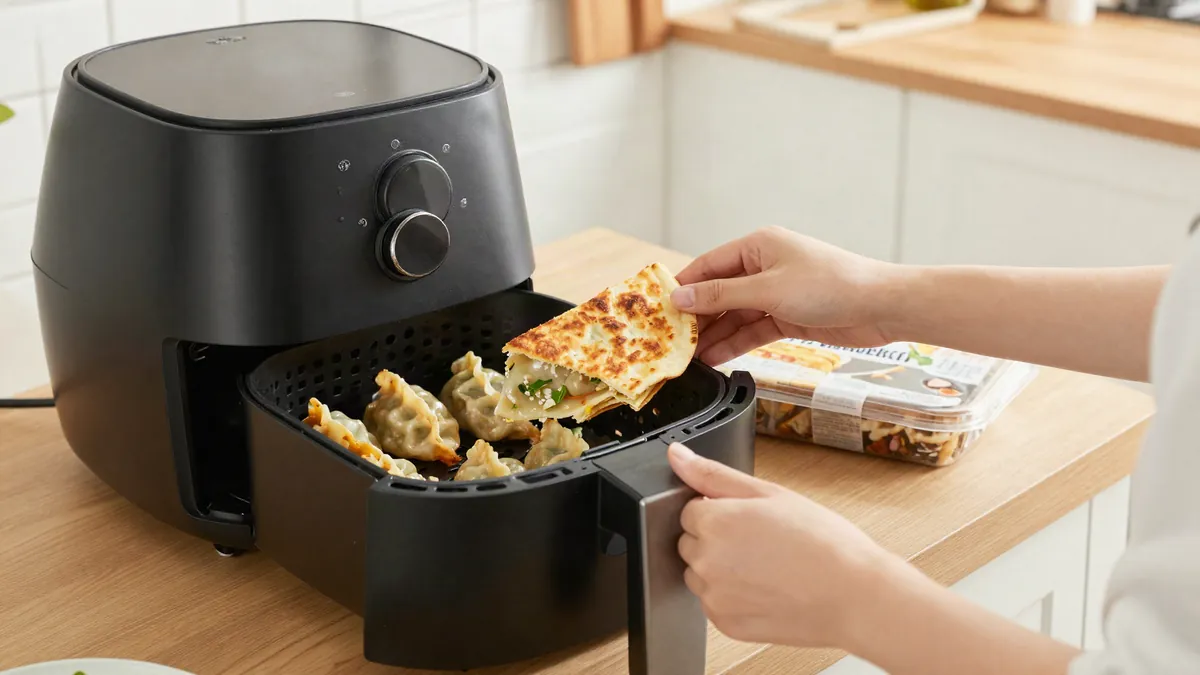
After dumplings and fried rice: sotbap, temple food and dim sum
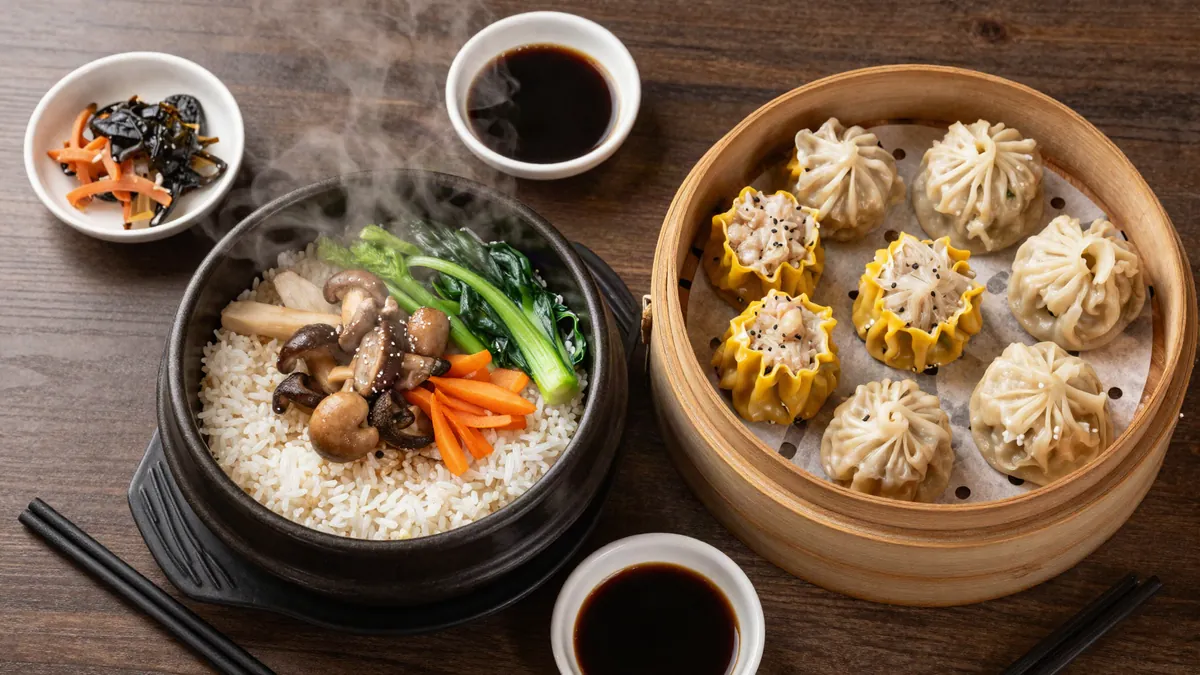
Frozen meals used to bring dumplings and fried rice to mind first. Now restaurant-collaboration dishes and items like sotbap and dim sum are taking up more of that space.
Dim sum fits this trend well. Frozen dim sum designed to be steamed and eaten without any prep makes it easy to get close-to-restaurant results at home. Dishes that take real care, like sotbap or temple food, also become low-effort meals once they go through freezing technology.
What restaurant brands should check before expanding into RMR
A signature dish that’s popular in-store is a product with proven demand. Turning it into a premium RMR line lets a brand sell beyond its physical restaurants. Convenience stores, e-commerce and the brand’s own online store all become new sales channels.
The first thing to look at when turning a dish into a product is whether it can be reproduced. The taste has to hold up in a home microwave or air fryer, not just a restaurant kitchen. You also need a price point that fits each sales channel. For convenience stores, ₩6,000 or less can be one benchmark.
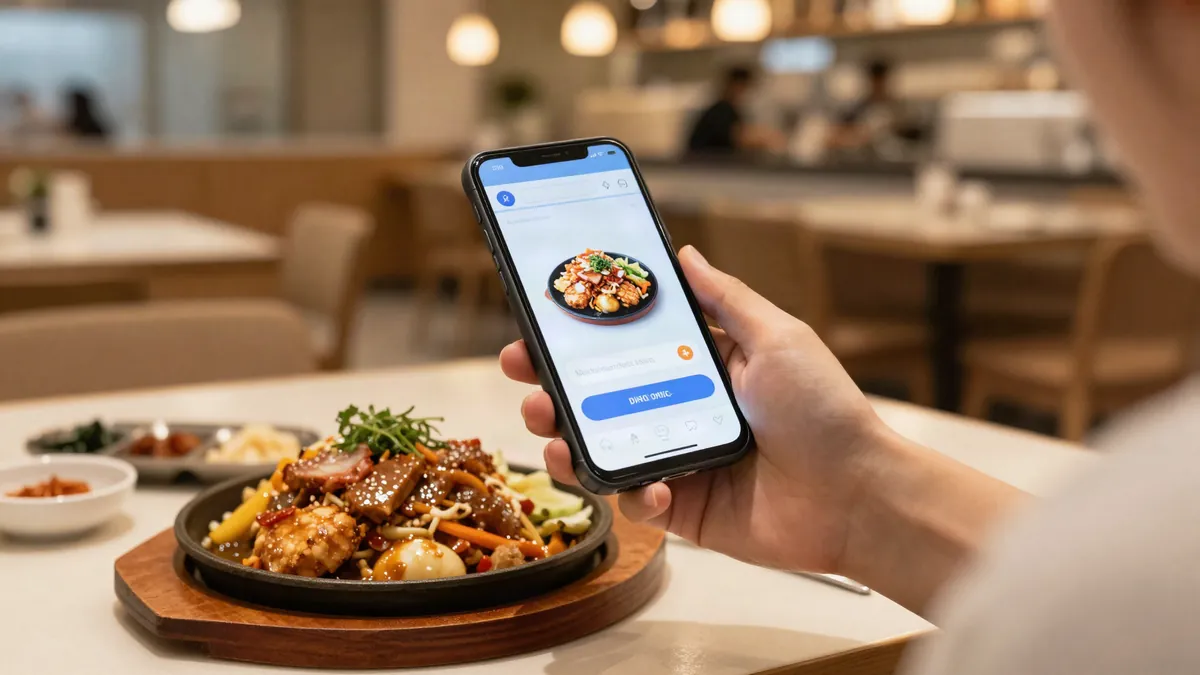
Adding an O4O (Online for Offline) loop makes it even more effective: customers who ate in-store buy the frozen version again online, and people who tried the product come to the restaurant. You need something — a membership or an app — that connects the two experiences.
The market will split around brands and chefs
Industry insiders say RMR is moving beyond being a simple subcategory of HMR (home meal replacement) and evolving into premium convenience food. They expect more collaboration between retailers, and a market increasingly segmented around famous chefs and brands.
In this market, the recipes of well-known restaurants and chefs decide how much a product is trusted. Restaurant companies with their own recipes and brand stories start with an advantage.
Wrapping up
With dining-out demand stalled by high prices, premium frozen meals that promise restaurant-level quality are growing by absorbing spending on eating out. Sales growth rates, a widening range of products and collaborations with famous chefs all back up this trend.
For a restaurant brand with a signature dish, a realistic first step toward a product is to pick the one or two most reordered dishes in-store and test whether their taste holds up in a home kitchen.
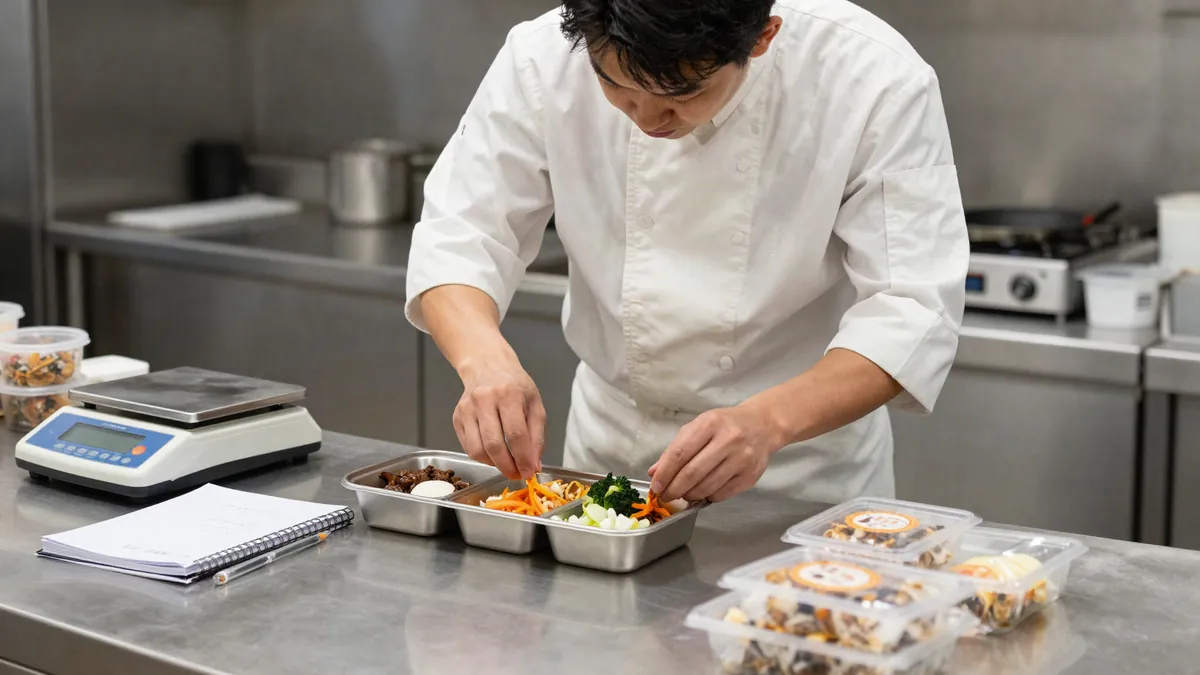
※ Photos in this post are illustrative images created for the article and may differ from actual products or stores.
Sources
Even on convenience-food days, you can keep your meals balanced.
Pick the meal, your situation and budget, and we’ll suggest what to eat right now.